IR Enclosure Heating
Sun-like warmth for zoos and animal enclosures
Far-infrared panels heat the animal, the ground and the structures inside the enclosure — not the air above them. It's the way the sun warms a rock, and it works for any animal that needs warmth. Silent, dust-free, no light, nothing glowing.
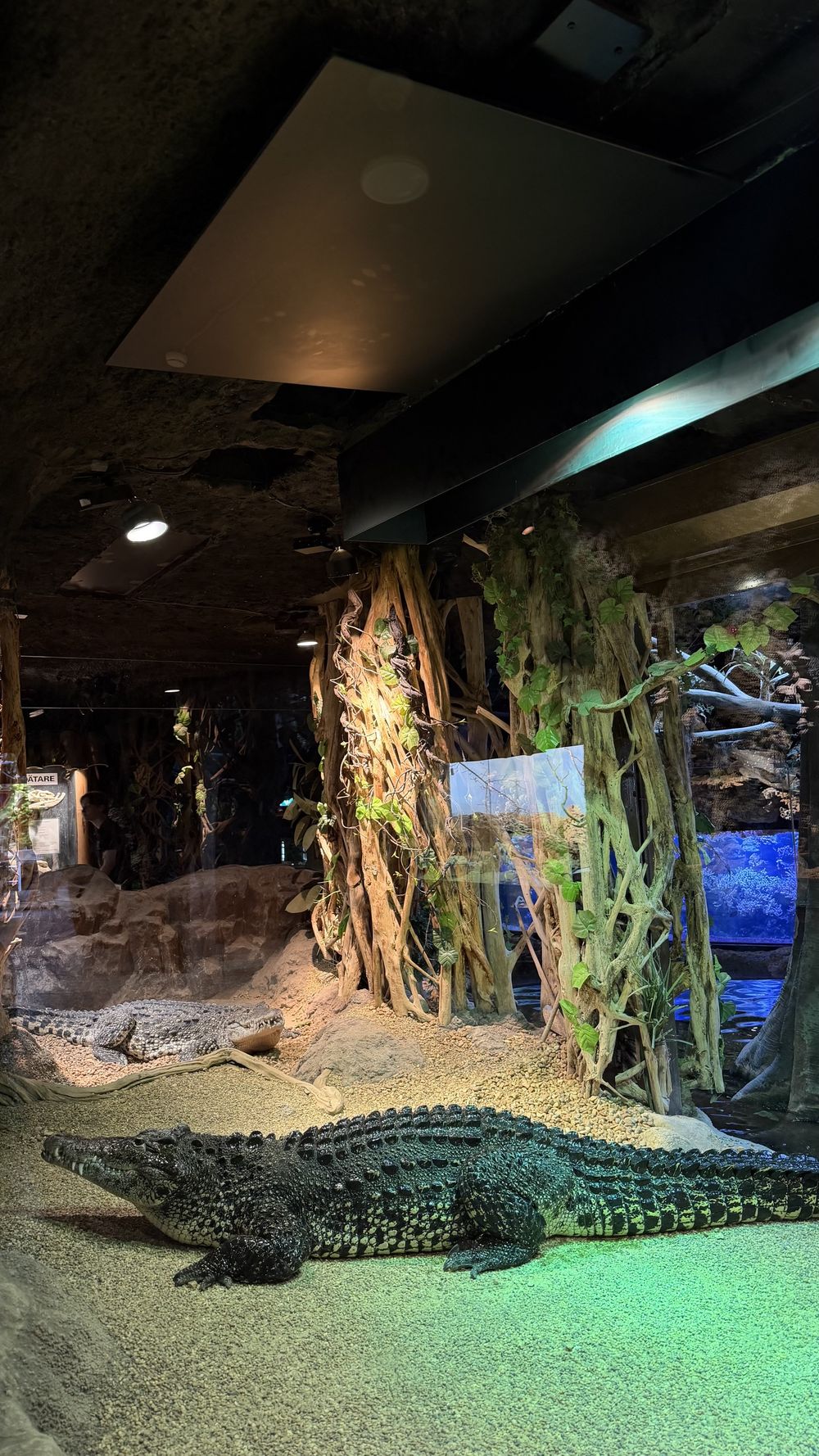 Crocodile house
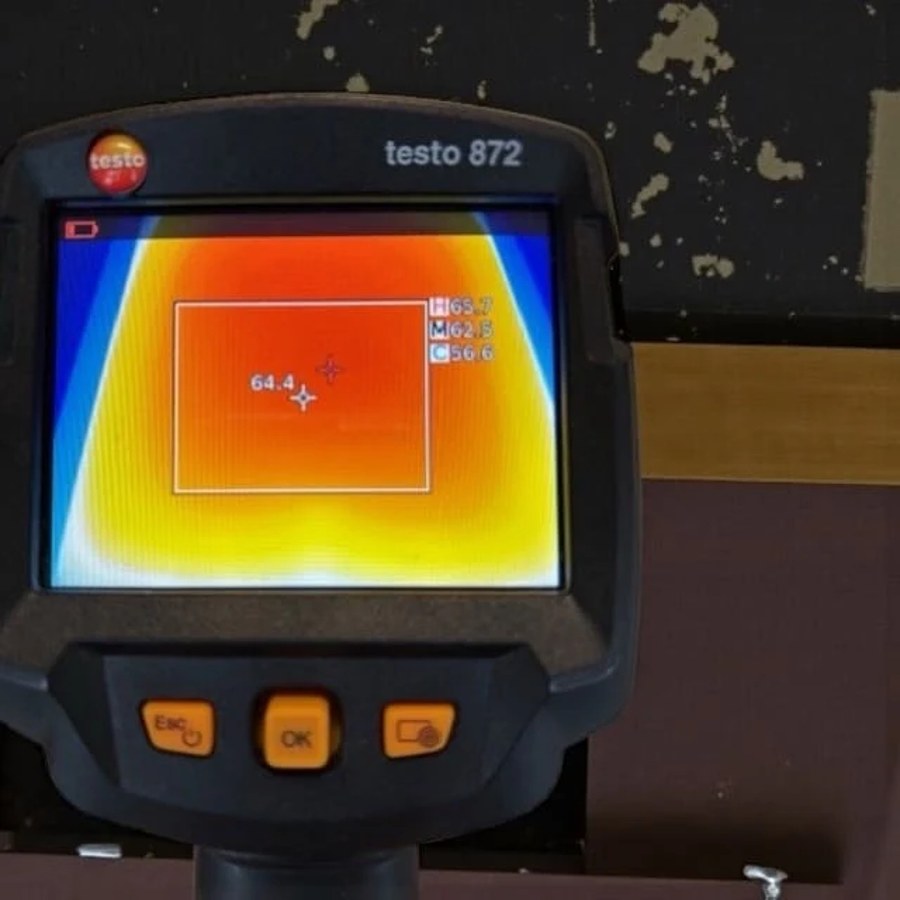
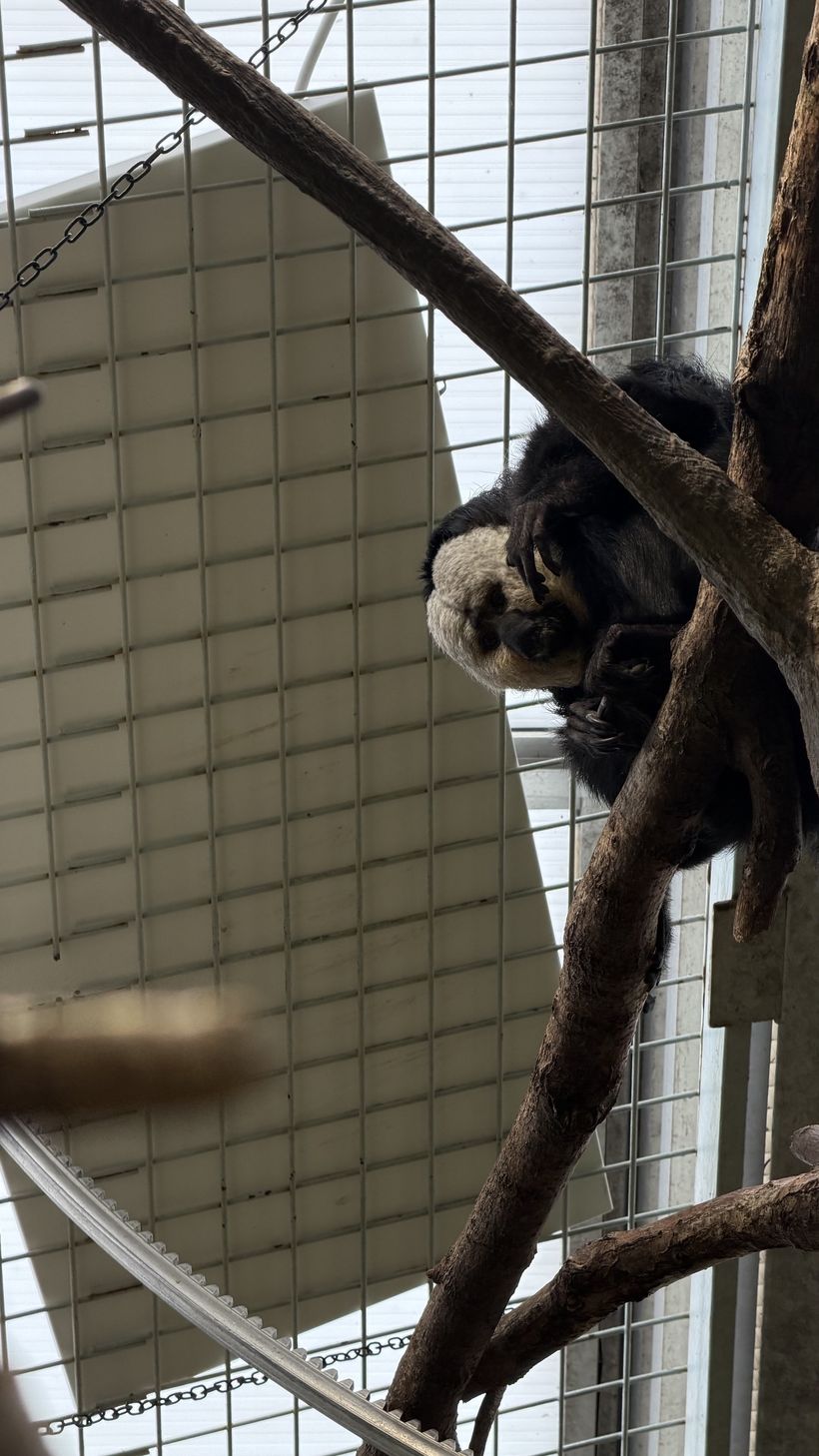
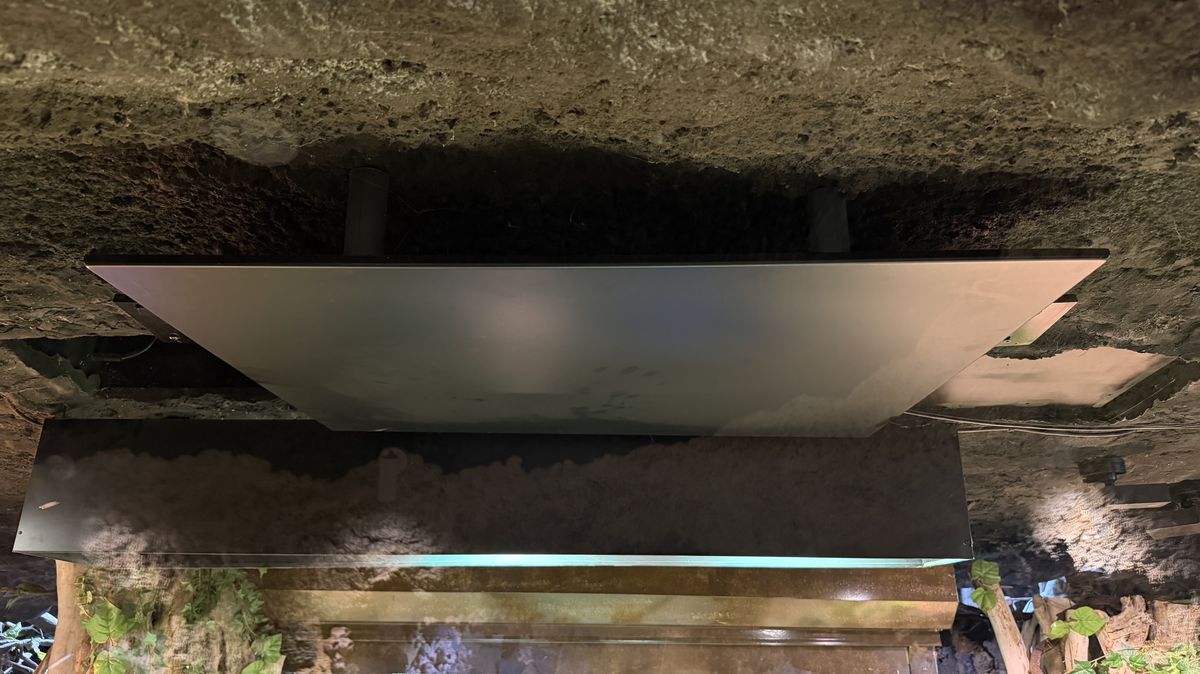
Natural IR heat
FIR long-wave
250 – 1,350 W
ten panel sizes
90 – 100 °C
surface, no open element
IP 44 / IP 54
splash-protected
Easy installation
on wall or ceiling
Long service life
TÜV SÜD tested
In service
Already heating enclosures
The same range of panels is already in service above crocodiles, primates and tropical planting, where lamps glare and fans stir up dust. Three examples; the same principle applies wherever an animal needs a warm spot.
Crocodile house — ceiling panels over the sand bank
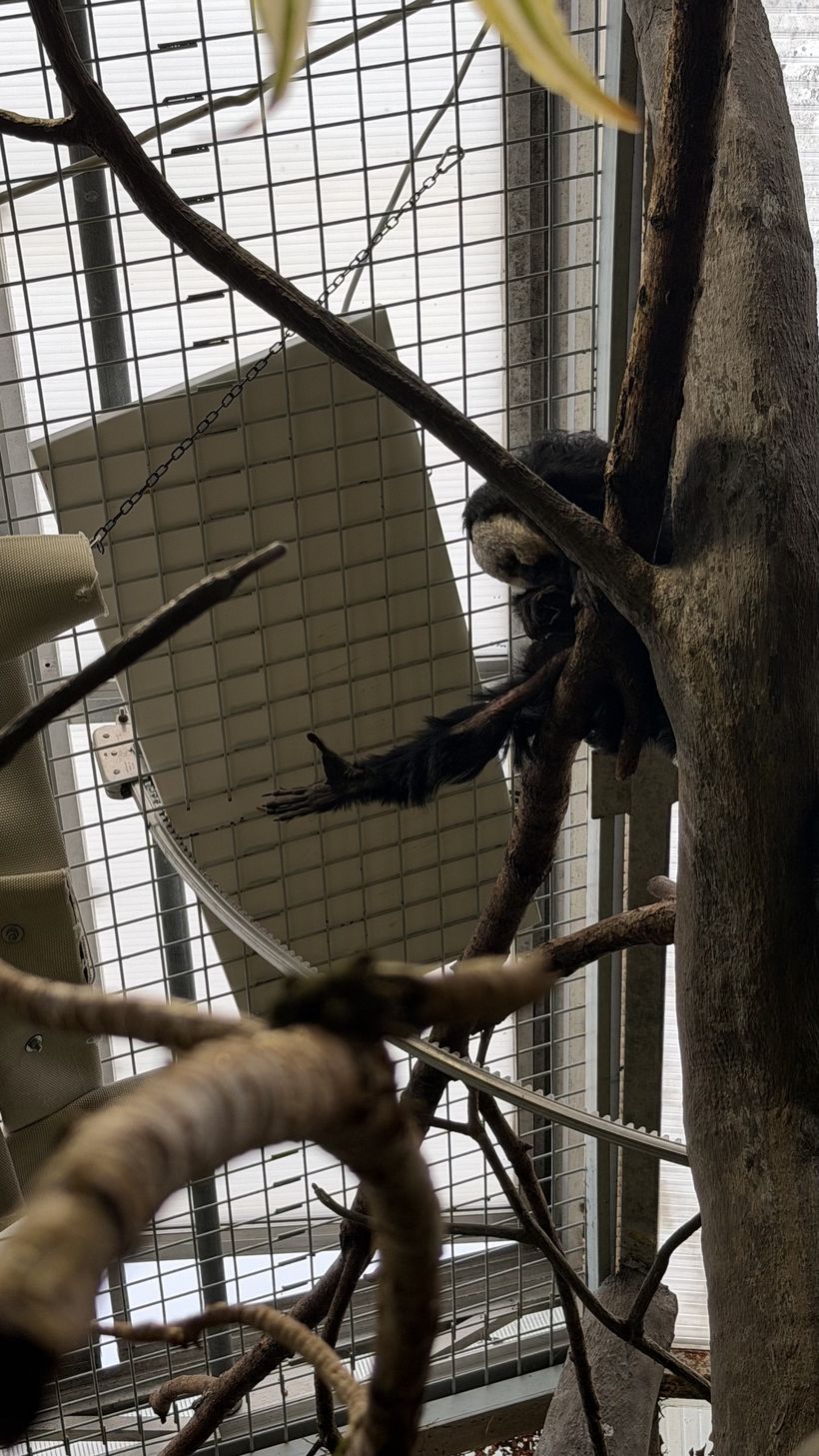
Primate house — panels suspended at branch height
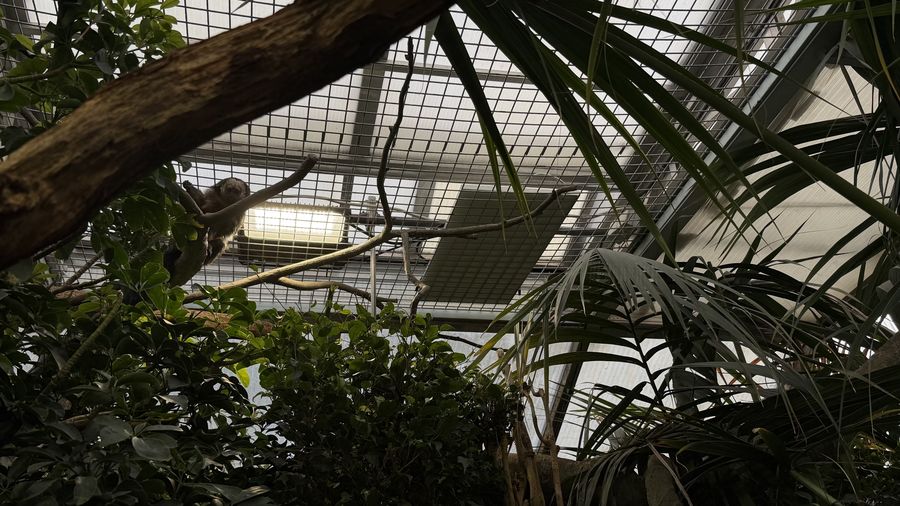
Tropical house — heat placed over the planting, not the visitor walkway
The problem
How most enclosures are heated today
Heat lamps
Glare, heat you cannot switch on without light, bulbs that fail — and every replacement means a keeper entering the enclosure.
Warm-air blowers
Noise, draught, airborne dust and spores — in a space the animals cannot leave.
Gas and quartz radiators
Glowing surfaces above bedding — and with gas, combustion gases indoors.
Heating the whole hall
Heating the air of a tall building when only a few square metres need to be warm.
The solution
Radiant heat, aimed where the animal is
Warm and cool zones in one enclosure
Warm basking zone under the panel, cooler retreat a few metres away — a genuine thermal gradient, the same choice of temperature the animal would find outdoors.
Silent, still and dust-free
No fan, no moving parts, nothing stirred up. Nothing to disturb noise-sensitive species, and nothing to irritate sensitive airways.
No light, no visitor glare
Heat and lighting stay separate, so you can heat nocturnal species without lighting them, and the exhibit lighting can be designed on its own terms.
Out of reach, virtually maintenance-free
Flat panel above head height, no bulb to change, no glowing element in the enclosure. Fewer trips into the enclosure.
Keeps condensation down
Radiant heat keeps surfaces above the dew point — less condensation and mould in humid tropical houses, without drying out the air.
Built for
Crocodiles, monitors, tortoises — basking zones with a defined gradient
Warm resting spots for primates, small mammals and similar species
Perch warmth without wind or noise
Frost protection and surface warmth for planting and structures
Heated zones in off-show areas and holding pens
Another species? Same principle — ask us.
Request a quoteThe range
Heating solutions for every enclosure
Our panels fit every enclosure — from a single warm zone to a whole building: steel for compact zones, aluminium for large areas and humid houses. Two models are our standard recommendation:
IV-TH-900
Aluminium-bodied panel, 100 × 80 cm. Our reference size for large houses and halls — enough output to keep a generous warm zone up to temperature from ceiling height.
Output: 900 W
Size: 100 × 80 cm
Coverage: 13 – 22 m²
Weight: 16.3 kg
Housing: Aluminium
Protection: IP 54
Also available: TH-750 · TH-1150
ST-430
Powder-coated steel panel, 90 × 40 cm. The economical way to put a warm spot exactly over a perch, a nest box, a holding pen or a quarantine pen.
Output: 430 W
Size: 90 × 40 cm
Coverage: 6 – 11 m²
Weight: 8 kg
Housing: Steel, RAL 9016 white
Protection: IP 44
Also available: ST-250 … ST-1350
Sizing
Size the panel to the zone you need to keep warm
Coverage figures are for a heated room. In a tall building you are heating a basking zone rather than a volume, so we size from the target area and the mounting height — send us the details of one enclosure and we will size it with you.
| Model | Size (cm) | Output | Coverage | Weight | Housing | IP |
|---|---|---|---|---|---|---|
| ST-250 | 70 × 30 | 250 W | 3 – 6 m² | 5 kg | Steel | IP 44 |
| ST-430 | 90 × 40 | 430 W | 6 – 11 m² | 8 kg | Steel | IP 44 |
| ST-560 | 120 × 40 | 560 W | 8 – 13 m² | 10 kg | Steel | IP 44 |
| ST-680 | 100 × 60 | 680 W | 10 – 16 m² | 13 kg | Steel | IP 44 |
| ST-860 | 105 × 70 | 860 W | 13 – 20 m² | 16 kg | Steel | IP 44 |
| ST-1035 | 150 × 60 | 1,035 W | 17 – 26 m² | 19 kg | Steel | IP 44 |
| ST-1350 | 170 × 70 | 1,350 W | 18 – 32 m² | 24 kg | Steel | IP 44 |
| TH-750 | 90 × 70 | 750 W | 11 – 18 m² | 13.0 kg | Aluminium | IP 54 |
| IV-TH-900 | 100 × 80 | 900 W | 13 – 22 m² | 16.3 kg | Aluminium | IP 54 |
| TH-1150 | 120 × 80 | 1,150 W | 17 – 29 m² | 20.0 kg | Aluminium | IP 54 |
All models 230 V / 50 Hz, surface temperature approx. 90 – 100 °C, wall or ceiling mounting. Highlighted rows are our two standard models; the rest of the range is supplied to order.
Comparison
Compared with heat lamps, blowers and gas radiators
| IR enclosure panel | Heat lamp | Warm-air blower | Gas / quartz radiant heater | |
|---|---|---|---|---|
| No light emitted | ||||
| Silent, no draught | ||||
| No dust stirred up | ||||
| No glowing element within reach | ||||
| Creates a defined basking zone | ||||
| No bulbs or consumables to replace | ||||
| Calculated service life over 125,000 h | ||||
| Runs on your own solar power |
Yes Partly No
How it works
Heating the animal, not the air above it
A convector warms air, the air rises, and the heat collects at the ceiling. In a building with a ten-metre roof, that is exactly where nothing lives.
Far-infrared radiation passes through the air almost unchanged and turns into heat where it lands: on sand, rock, bark, plumage and skin. Those warmed surfaces then release their heat slowly back into the enclosure, so the basking zone stays warm between heating cycles instead of dropping away the moment the panel switches off.
It is the same effect as a low autumn sun on a cold, clear day: the air is freezing, and you still feel warm the moment you turn to face the sun.
Animal welfare
Warmth the animal can choose
In the wild, animals manage their own temperature by moving — sun, warm rock, shade. A good enclosure gives the animal several microclimates to choose from.
A radiant panel brings that choice indoors: warm under the panel, cool a few metres away. Reptiles shuttle along the gradient, mammals and birds pick their spot — and when animals can choose, they behave as they would outdoors. Because the panel warms without light, this keeps working after dark.
TÜV-tested
TÜV SÜD ran the panel for a year to find out when it would fail
Two endurance programmes in parallel: heating cycles up to 90 °C surface and back down to around 50 °C, and switching cycles to one million. The panel survived both.
The result: an extremely long service life — 125,000 heating hours, with virtually no maintenance.
TÜV SÜD report no. 028-713123503, Rev. 00, 4 March 2019 — 25,788 heating cycles and 1,000,000 switching cycles. Basis of calculation: 200 heating days a year × 5 full-load hours a day.
125,000 h
Calculated service life
1,000,000
Switching cycles tested
5 years
Manufacturer's warranty
TÜV SÜD · GS — geprüfte Sicherheit · CE · RoHS · Made in Germany
Installation
Nothing to install but a power connection
No pipework, no plant room, no wet trades in the enclosure. Panels mount on the wall or ceiling directly above the zone they serve; the datasheet for each series states which mounting options it supports.
Describe the enclosure
Target zone, mounting height, species and the temperature the animals need.
Layout & quote
We propose model, count and positions — usually one panel per warm zone.
Mount & control
Wall or ceiling mounting, 230 V connection by your electrician, external thermostat in accordance with EU Ecodesign Regulation (EU) 2015/1188.
Contact us for more information or customized solutions