Zone Heating
Heat where the heat is needed
Infrared warmth for comfort, zone heating and a smarter use of energy. Instead of heating the whole volume first, you put the heat where the people, the animals and the work actually are.
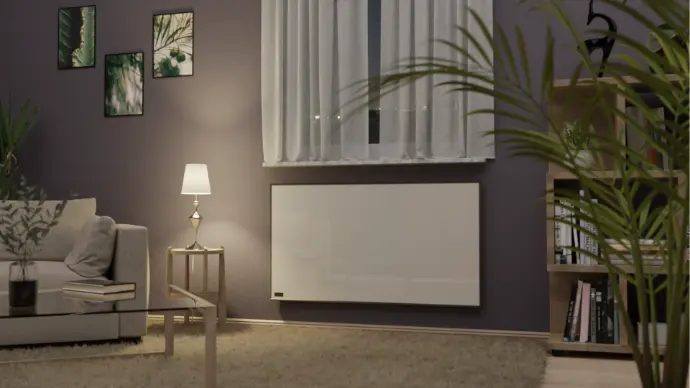
Wall panel in a living room — the heat is aimed at the seating area
Comfort
Pleasant radiant heat where people or animals spend their time.
Zone heating
Heat the part of the space that is in use — not necessarily the whole volume.
Flexible
Portable or fixed solutions for the home, the workplace and animal keeping.
Radiant heat
long-wave FIR
Comfort you feel quickly
the warmth arrives directly
Silent
no fans, no moving parts
No dust circulation
the air is not stirred up
Fixed or portable
on the wall, the ceiling or on wheels
5 year warranty
CE and RoHS
THE PRINCIPLE
The idea is simple
Infrared heating transfers a large part of its heat as radiation to people, animals and surfaces. That makes it particularly interesting wherever the need is local: a seating area, a workstation, an animal spot, a terrarium, a garage or any other defined zone.
Hold a lower base temperature where you can — and create extra comfort exactly where the heat is needed.
THE WHOLE ROOM
21 °Cthe entire volume at full temperature
heat lost through the building envelope
THE ZONE IN USE
18 °Clower base heat + targeted comfort
smaller losses at a lower base temperature
The same room, two ways to heat it: the whole volume at full temperature, or a lower base heat with full comfort in the zone that is in use.
It is the same difference as between heating a whole house so that one person can sit comfortably, and putting the heat where that person sits.
HOW IT FEELS
Feel the warmth — without heating the whole room first
What you experience as temperature is not only the air, but also the warmth of the surfaces around you. Radiant heat raises that part directly.
This is why radiant heat can feel comfortable even when the air temperature is somewhat lower. It can open up the option of lowering the base heat in spaces where full temperature is not needed everywhere.
Simplified illustration. How large the difference turns out to be depends on output, distance, placement and the surfaces in the room.
WHERE IT FITS
Particularly well suited to
Four situations where the need for heat is local — and where zone heating therefore does the most good.
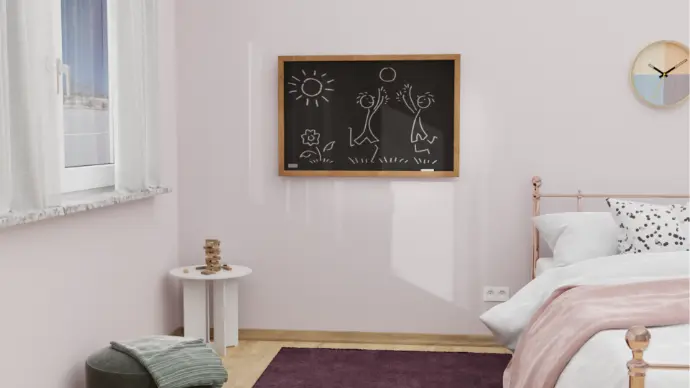
Home & leisure
Seating areas, conservatories, hobby rooms, garages and other zones that are used from time to time.
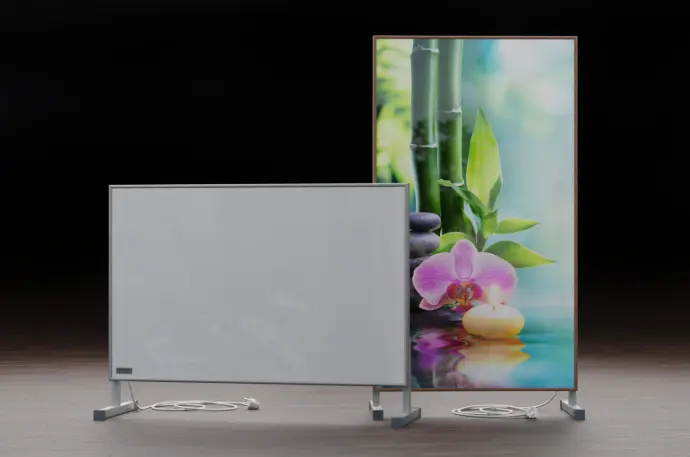
Workplaces
Workshops, warehouses and larger premises where staff work at fixed positions.
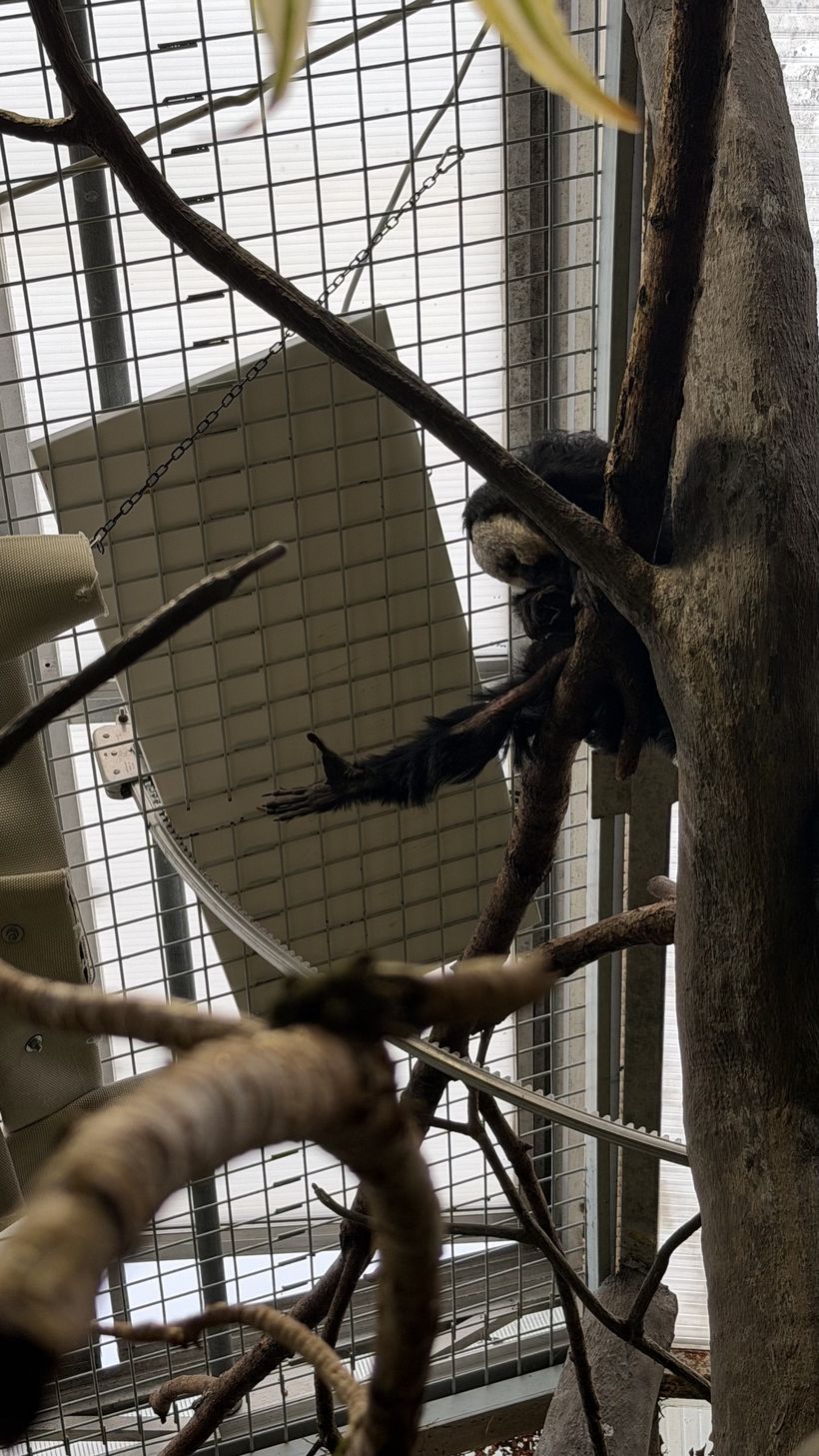
Animal keeping
Local comfort heat for animals, with temperature and placement matched to the species and the environment.
Aquarium & terrarium
Directed heat in applications where the temperature requirements are specific and must be followed closely.
HONEST ABOUT ENERGY
What we promise — and what we do not
Infrared is effective zone heating, not an energy machine.
What we promise
What we do not promise
The saving appears when heat is used more selectively — a lower base temperature, a shorter running time, or a smaller heated zone.
THINKING ABOUT ENERGY
Where the saving actually comes from
A lower room temperature normally reduces the heat losses of the building. As a rule of thumb, around 5 % less heating demand per degree lowered is often quoted — but the real saving varies with the building, the climate and the use.
THREE STRONG REASONS
Why zone heating
Comfort quickly, where it is needed
The radiation arrives directly — you are not waiting for the whole volume of air to warm up first.
Stop heating space you are not using
Warehouses, workshops, conservatories and garages are rarely used across their whole volume. Zone heating follows the use rather than the square metres.
Simple supplementary heat
When one position is too cold, the main system does not have to go up for everyone. The panel adds to it instead of replacing it.
CHOOSING
The right heater for each zone
Guide figures for planning. The final output depends on insulation, ceiling height, base temperature and how the zone is used.
| Zone | Typical need | Suits | Output |
|---|---|---|---|
| Seating area, workstation | Directed comfort for one or two people | Wall or ceiling panel | 300 – 600 W |
| Conservatory, hobby room | Base heat in a smaller room | Wall panel | 600 – 1,000 W |
| Garage, workshop | Fast heat at a fixed position | Ceiling panel or portable unit | 800 – 1,000 W |
| Changing position | Heat that can be moved | Portable unit on wheels | 500 – 1,000 W |
| Bathroom | Comfort and function in one | Mirror or towel heater | 400 – 750 W |
| Animals, aquarium, terrarium | Species-specific temperature requirements | Separate product ranges — see the relevant page | — |
OUR PRINCIPLE
Comfort where you are. Heat when you need it. Less energy on surfaces and at times when full warmth is not needed.
Tell us about your zone
Send us the room dimensions, the ceiling height, the base temperature you hold today and what the zone is used for — and we will come back with a proposal for output and placement.
Output requirement, placement and safety distances must be sized for the room and the application. For animals, aquariums and terrariums, the species-specific temperature requirements and the safety instructions for the product must be followed.
Contact us for more information or customized solutions